Taxis got an app. Takeout got an app. Dog-walking has three. Street giving still runs on loose change and eye contact.
Every day, millions of Americans walk past someone in a doorway and feel something. Then they keep walking, and the feeling evaporates: unmeasured, unmonetized, gone. We call it unmonetized guilt.
The sector is fragmented, cash-based, and has no data layer, no loyalty mechanics and no way of proving you did it. Compared with food delivery, street giving is roughly where restaurants were when you had to call them.
Demand is steady, because people have always felt bad. Supply, for reasons we didn’t create and wouldn’t dream of celebrating in public, is growing.
Americans stopped carrying cash. Nobody told the sidewalk.
For a decade the only exchange left has been “Sorry, I don’t have any cash,” said up to eleven times a day, mostly truthfully.
That’s friction for donors and a dead end for Clients. We’re the bridge.
Why us
We’re not a charity. Charities try to make the problem go away, which is an odd thing to build an organization around. We prefer to make it work better for everyone involved.
Update: We have applied for 501(c)(3) status. Our lawyers see no conflict with the paragraph above. On reflection, neither do we.
The Triple Win™
Donors
Giving without the awkward part, and proof that you did it.
Win
Clients
Access to millions of commuters, a professional lanyard and a platform to grow on.
Win
Investors
A market that is growing. Really growing.
Win
Curb Appeal
A modest 30%. We don’t count that as a win. We count it as overhead.
Overhead
We charge 30% so that we can keep off the streets.
People ask why 30%. The honest answer is that it costs money to run a company like this: offices, engineers, an in-house barista, our founder’s sabbatical, and a legal team growing faster than our Client base.
Without that 30%, Curb Appeal itself would face hardship. Our people might lose their homes. Several of them have two. We don’t believe anyone should have to live like that.
31Mtaps processed
2.4Mcertificates issued
600Kdonors rated
0Clients housed (out of scope)
Mission statement reviewed annually. Business model reviewed continuously.
“Chad called me at 2am and said, ‘What if empathy had an API?’ I wired the money before he finished the sentence.”
Dominic Vane, Managing Partner, Pennywhistle Capital
“We passed on Curb Appeal at seed. I think about it most days. Not the people, obviously. The multiple.”
Partner at a Series A firm that asked not to be named
“As a founder, I sleep well at night. Indoors, mostly.”
Chad Pellegrove, Founder & Chief Empathy Officer
As featured inThe PivotQuarterly MarginThe Hustle LedgerThe Disruption Review
Selected coverage includes founder interviews, sponsored profiles and a panel we sponsored on the importance of independent coverage.
If it works for a ride home and a burger…
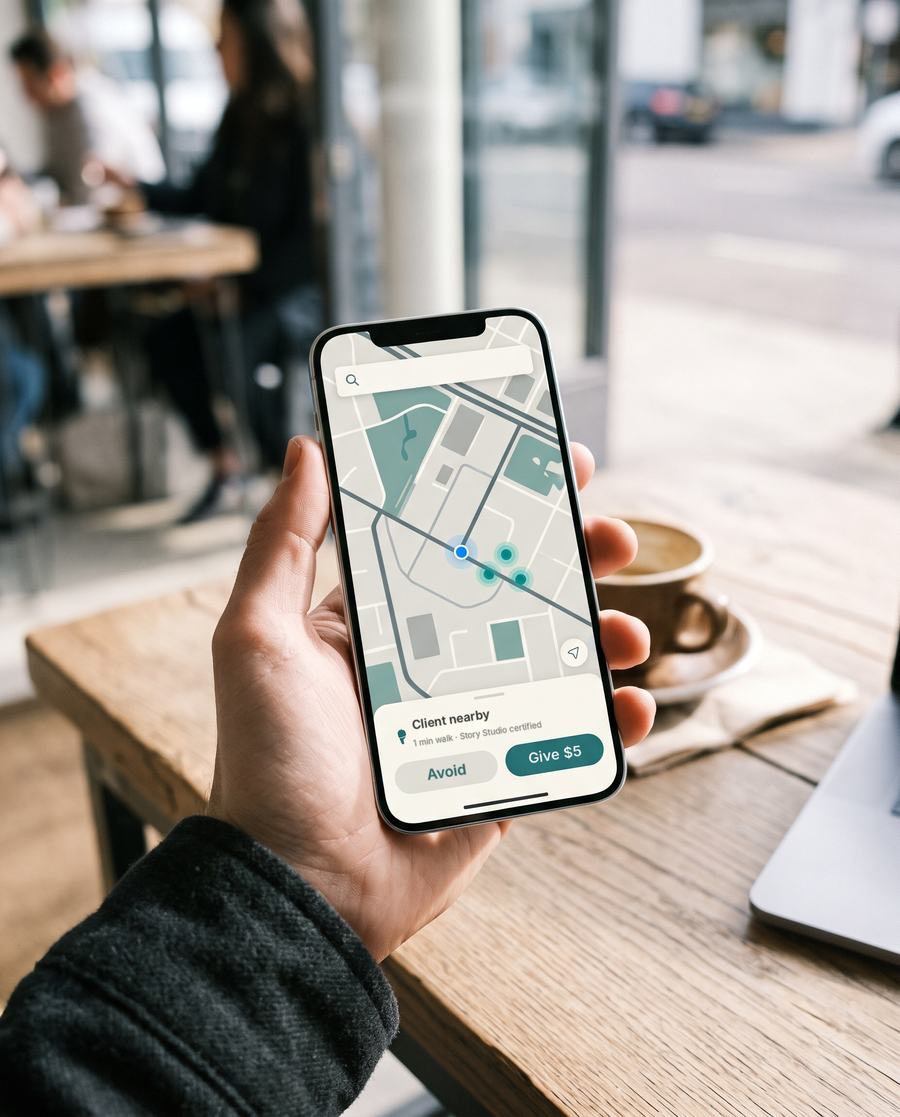
You can watch a stranger bike your dinner across town in real time. You can see exactly where your ride is, and rate the driver before the door has shut. Then you walk out of the subway, someone is sitting in a doorway, and there is no app at all. We found that odd. So we built the Map.
3 Clients on your route · 2 min walk
Daily Giving Goal reached. Avoid Mode is on. Your route is about 90 seconds longer.
Tap a Client to give. Once you’ve hit your daily Giving Goal, switch on Avoid Mode and the route bends around everyone else. You’ve done your part; the app agrees, and now so does your commute. Avoid Mode adds about 90 seconds and is free with Plus.
Contactless means contactless
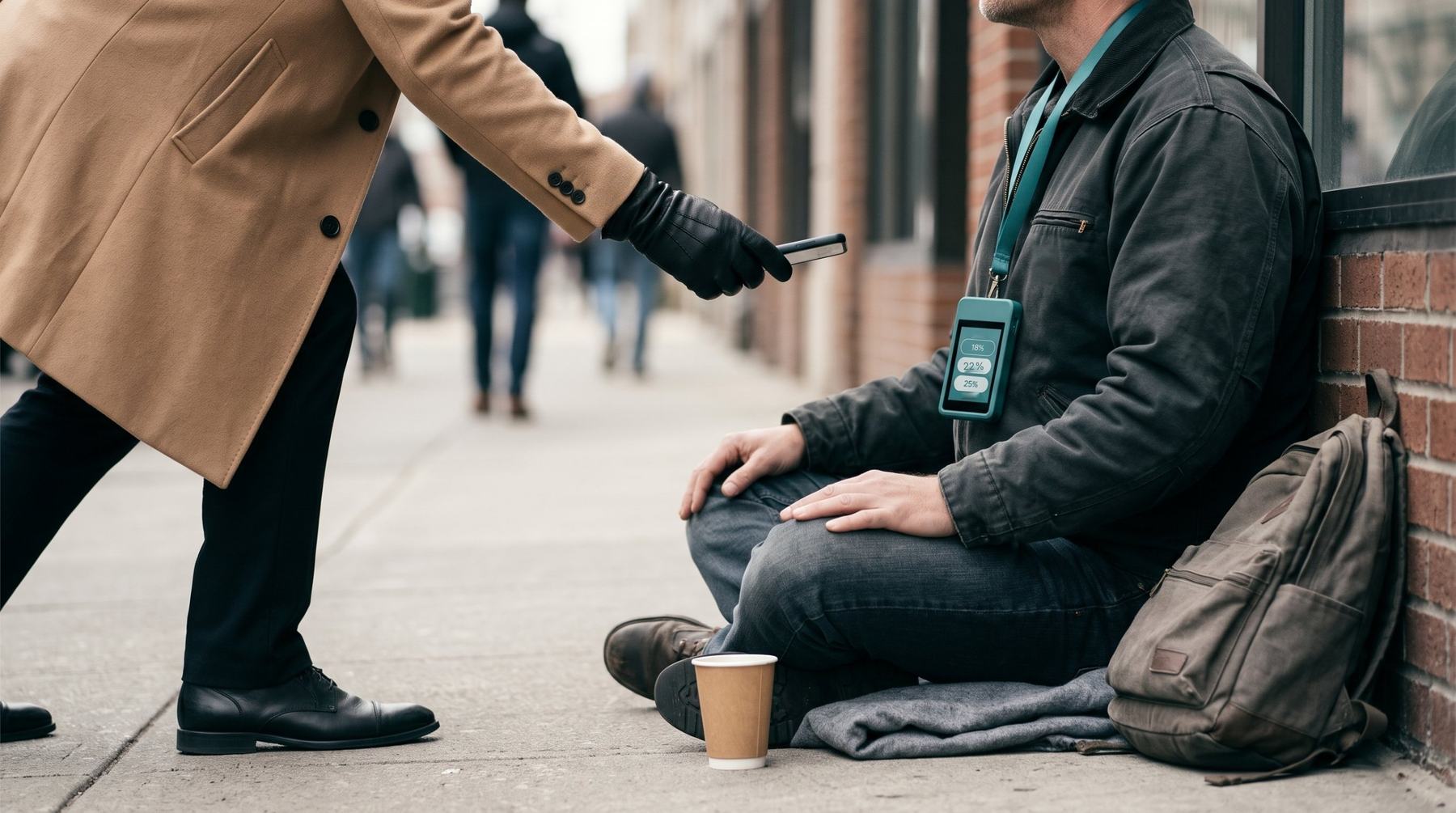
No coins, no handshake, no accidental brush of fingers. Our terminals read at up to 12 inches, a distance our research team describes as “comfortable.”
Then you feel better
Your Giving Level updates instantly, your Client receives 70%, and you carry on with your day.
Average interaction time: 1.4 seconds. We’re working on it.
The hard part
Nobody tells you how hard it is to negotiate for space.
When we started, the city’s best doorways were just there: occupied informally, first come first served, with no booking system and no yield management. Some went unused for entire afternoons.
So we put in the work. We met landlords, store owners and a man who claimed to own a bus shelter. We had meetings with property managers, then follow-up meetings about the meetings. Several had no catering. One quarter, our VP of Sidewalk Strategy worked two weekends in a row.
We don’t mention any of this for sympathy. We mention it because it’s in the deck.
Contactless Compassion.
All the giving. None of the interaction.
“I used to wonder whether I was doing enough. Now there’s a dashboard.”
Harriet P., Gold Good Person
Choose your distance
Basic
Free
Tap and go. A Client may acknowledge you.
About 12 inches
Plus
$4.99/month
Guaranteed no eye contact. Avoid Mode included.
Other side of the street
Prime
$14.99/month
Give from home. We send you a professionally lit photo within 24 hours.
Your sofa
Enterprise
From $2,500/month
Sponsor a bench. Name a doorway. A board-ready impact report with your logo in the corner, slightly larger than the people.
The annual report
Bench sponsorship includes a plaque in the app. Seating is not included.
Donors tell us they feel “uneasy.” We haven’t asked why. We’ve built a premium tier.
The tip screen
You’ll recognize it from coffee shops, airports and that self-checkout that somehow asked for a tip. Tips go to Curb Appeal. Raising your tip doesn’t change the Client’s share, but it does raise your Giving Level.
You are giving
$5.00
Would you like to support the technology that made this possible?
The Client’s share does not change.
You’re a good person.
We’ve updated your profile accordingly.
Goodness, quantified.
Every donor gets a star rating and a public Giving Level. Levels reset every year, so there’s always something to strive for.
Bronze BenefactorYour first tap.
Silver SamaritanGiving in three separate weeks.
Gold Good PersonThree months of recurring compassion.
Platinum Patron of the Sidewalk$250 a month, or the equivalent in recognition purchases.
Good character is reviewed monthly.
Make your certificate
Every donation earns one. Frame it. Mention it at dinner.
Curb Appeal™
Certificate of Recognition
This certifies that
Harriet Pemberton
has felt good about themselves on
Giving Level: Gold Good Person · Star Rating: ★★★★★
Chad PellegroveFounder & Chief Empathy Officer
This certificate confers no rights, obligations or virtue.
Humbled. #CurbAppeal
Selfie Pass
Doing good, documented.
Single$15
One photo.
Story Pack$40
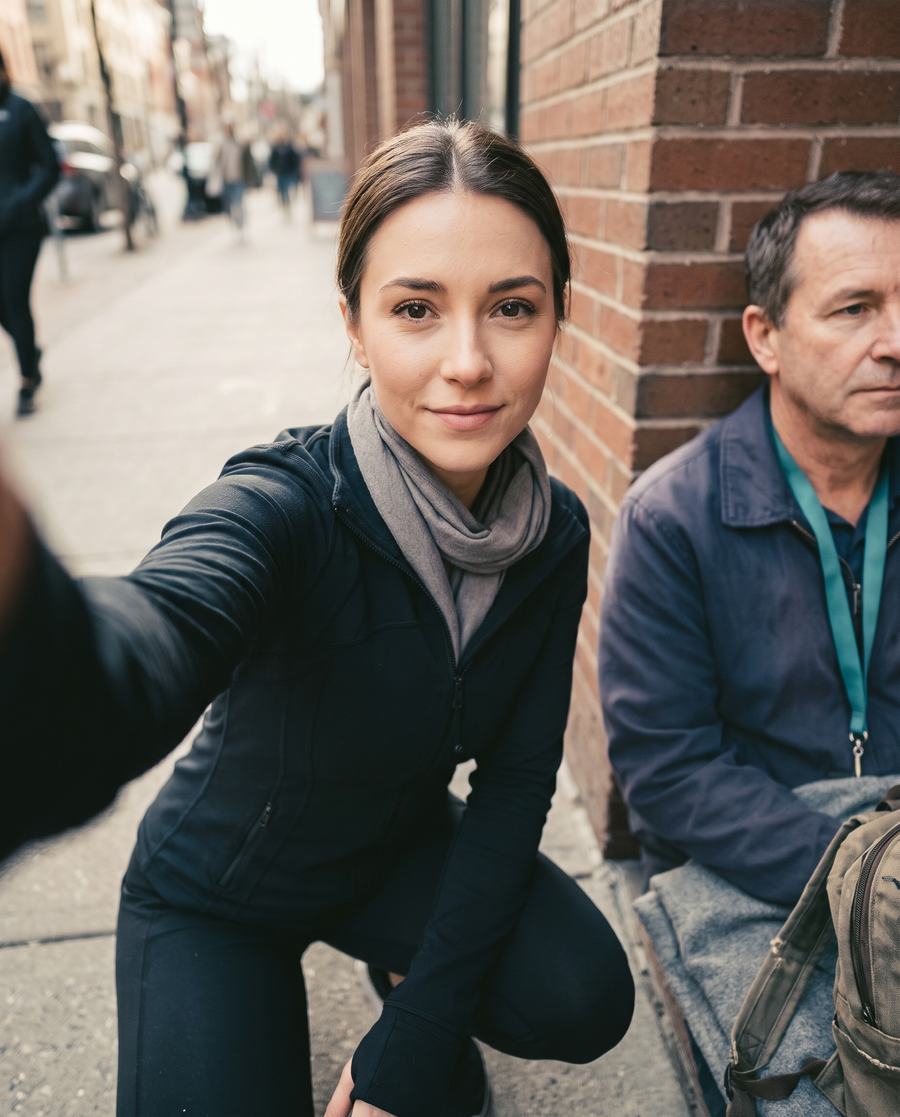
Five photos, a 15-second vertical video and suggested captions.
Influencer Bundle$299/mo
Unlimited selfies, with Clients matched to your grid aesthetic.
Client consent is pre-checked. Clients receive 20% of every package.
Etiquette: crouch to the Client’s level. It reads as humility.
Your Annual Generosity Statement
Every January we email you a tidy PDF of every tap, tip, certificate, selfie and badge from the year, formatted for your CPA, your performance review or your mother.
Whether any of it is tax-deductible depends on our 501(c)(3) application. Our CPA said “interesting.”
Can I give without being rated?
No.
Can I give anonymously?
Yes. Your profile will read “Anonymous” in gold lettering, with a link to your profile.
Can I give cash?
You can. We’d rather you didn’t, and so, contractually, would they.
Are you a charity?
Not yet.
From Sacked to a Sack.
You’ve been laid off. Don’t become a layabout — at least not indoors.
Every week, thousands of capable people learn that their job has been “transitioned to an automated workflow.” Soon after, many learn that their rent has not. You bring the transferable skills: resilience, stakeholder management and the ability to sit through uncomfortable situations for long periods. We bring the platform.
Open to Work? We’re open to you.
A layoff is just availability with a bad PR team.
Your former employer called you a resource. We’d like to continue the relationship.
DW
Dana WhitcombeSenior Operations Lead (formerly) · 1d
After eleven incredible years at Corvane Freight, my role has been transitioned to an automated workflow. So grateful for the journey and the people. Excited for what’s next!
#OpenToWork #Grateful #NewChapter
👏 214 · 61 comments
CA
Curb AppealPromoted
Shown to you because you’re Open to Work.
Open to Work? We’re open to you. Flexible hours (all of them). Work outdoors. Be your own boss.* *Curb Appeal is your boss.
From Sacked to a Sack.You’ve been laid off. Don’t become a layabout — at least not indoors.
curbappeal.work
👏 1,204 · 87 comments
TF
Tom Fairweather · Head of Growth at Curb AppealLove seeing this land with the right audience 🙌
Why “Client”?
We call you Clients because you’re the people we serve. Also, “Partner” tested poorly with our actual partners.
The lanyard
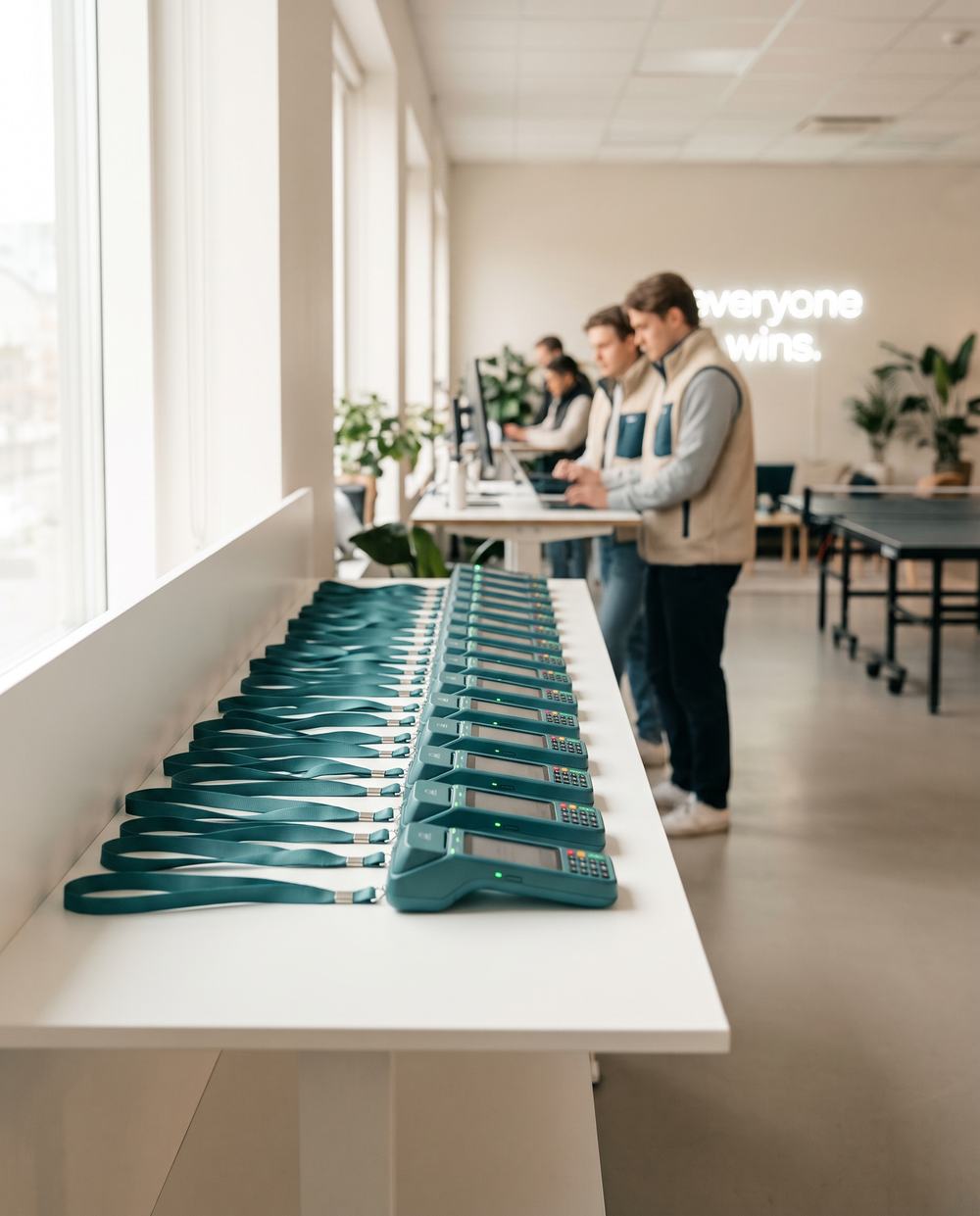
Branded, scannable and lightly reflective, with a built-in card terminal. Yours to wear, ours to own.
A place on the Map
And with it, access to millions of commutes.
Room to grow
Client, then Senior Client, then Curb Lead. Curb Lead is unpaid, but the title is yours.
Story Studio (optional)
Former charity-advertising creatives turn your situation into something donors recognize. Will donors read it? Some will. Either way, you’ll have it. $59 a session.
The Authenticity Index
Donors give less to people who seem to be coping, so Clients who look too well rank lower on the Map. We didn’t design donor expectations. We’ve just built an excellent dashboard for them.
Phones are fine.
Everyone has one, and you can’t be on the Map without one. Internally we rank a working phone above rent, which we consider self-evident: rent doesn’t run the app.
Books are not.
Donors read a paperback as coping. Anything thicker than a takeout menu will cost you.
Approved
Mark, 52
“Logistics manager for 22 years. Replaced by route-planning software. Now on the Map.”
Approved. Strong irony — donors won’t notice.
Rework
Joanne, 38
“My rent went up.”
Rework. Donors don’t respond to rent.
Approved
Dev, 29
“I used to design charity ads.”
Match lighting to his old portfolio.
The money
Clients keep 70% of every in-app donation, before routing, lanyard and Story Studio charges. On Selfie Pass, Clients receive 20% of each package, up from 4% during beta following feedback and an inquiry from a reporter.
91%
of Clients agreed that earning through Curb Appeal was better than earning nothing.
The question was: “Is some money better than no money?” The other 9% have been offered a call with our Head of Growth.
A word on expectations
As more professionals join the platform, average earnings per Client may soften. We ask Clients to manage their expectations accordingly. Investors, please see the next page.
Keep it on-platform
Accepting cash, food or kindness outside the app counts as off-platform giving and leads to deactivation. Deactivated Clients may keep the lanyard, as a reminder.
Declining is not currently supported on mobile.
Client Agreement, selected terms.
Story rights. Any story you tell, verbally, in writing or through facial expression, becomes Curb Appeal’s property on first telling.
Likeness. You grant a perpetual license to your likeness, including for training AI models, some of which may later be used to replace you.
Housing Event. If you obtain permanent housing, notify us within 48 hours. A $250 Exit Fee applies. We may present your Housing Event as a platform success in investor materials.
Disputes. All disputes go to binding arbitration in a venue of our choosing. The venue will be indoors. You must provide a permanent mailing address.
Acceptance. Continued presence on the sidewalk constitutes acceptance. If you cannot afford to stop participating, continued participation still constitutes acceptance.
A structural problem. A recurring opportunity.
We closed a $45M Series A led by Pennywhistle Capital, with participation from Moat Ventures and Fifth Lift Ventures.
Housing is a legacy model.
Traditional approaches try to reduce the underlying problem. Our model increases the number of transactions that can take place around it.
Cash is in structural decline. Street giving runs on cash. Spare change is disappearing, and we are replacing it with a 30% fee.
Aligned incentives
Per-Client earnings are projected to fall as supply rises. Platform revenue is projected to rise, for the same reason. We consider this alignment.
As AI replaces roles in admin, customer service, design and middle management, Client supply is projected to grow exponentially. Every layoff announcement is, in a very real sense, a recruiting drive we didn’t have to pay for. Copywriting is on that list. Our copywriter has been informed.
Revenue lines
Donor subscriptions and tips
Recurring and predictable. Guilt doesn’t churn.
Story Studio
Donor engagement with stories is low. Client uptake is high. Gross margin: 82%. Every story is certified donor-safe; complicating details are handled off-camera.
Selfie Pass and Enterprise CSR
Strong corporate demand, especially in Q4.
Clear Streets™
Some cities would rather not host Curb Appeal, so they pay an annual Non-Deployment Fee to keep the Map dark within city limits. The Clients remain; they just stop appearing on the Map, which for most city councils is the main thing. It is our highest-margin product, and it consists of doing nothing somewhere specific.
501(c)(3) status (pending)
Tax-deductibility is projected to lift donor conversion by 30%. Projected (vibes).
Key metrics
TAM
Growing, frankly.
Guilt-seconds captured
1.2 billion (+410% YoY)
Donor CAC
$0.40. Most donors acquire themselves by walking past.
Payback period
One awkward glance.
Take rate
30%. Projected (vibes): further optimization.
Housing expenditure
Out of scope.
Moat
Network effects, exclusive doorway contracts and the reliable absence of housing policy.
Risk factors
Housing policy
A meaningful increase in affordable housing would materially reduce our addressable market. We consider this unlikely.
Regulation
Cities may try to regulate sidewalk access. We have hired a former city council.
Reputation
Some people may find this business distasteful. Historically, this has not affected valuations.
“Most founders talk about solving a problem. Chad is the first to talk about keeping one.”
Moat Ventures
“We like businesses with a durable underlying condition and several ways to charge around it.”
Beatrice Vale, Fifth Lift Ventures
What’s next for the sidewalk.
Some of these will change the world. Others are under legal review.
Rough It™ launching spring
Leaders need empathy. Unfortunately, empathy takes years to develop, and most executives have a board meeting on Tuesday.
Rough It™ compresses the experience of homelessness into a single weekend, with a safety team on standby, a heated mat, and an exit button in the app that sends a car.
Rough It™ Weekend, $1,950 per personTwo nights, FSC-certified cardboard, a guided reflection session and a Monday-morning spa.
Sponsored Sleep-OutOne night, sponsored by friends. Average raised per participant: substantial. Average reaching Clients: we’re working on the reporting.
Team-Building on the Sidewalk, from $12,000 per teamIncludes the workshop “What Did We Learn?” (slides provided).
Return transfer to a hotel included. All experiences have a scheduled end. We consider this an important part of the product.
CB
Chad PellegroveFounder & Chief Empathy Officer at Curb Appeal™ · 2d
Last weekend I slept on the street for 48 hours.
No bed. No office. Just me, our comms lead, and a support vehicle parked discreetly nearby.
I met a guy named Steve. Steve taught me more about resilience than my MBA. I asked Steve what he needed. He said “an apartment.” I said “I hear you.”
At 3am, lying on the cardboard, I realized we are all, in a way, homeless. Then I realized we aren’t. That was also powerful.
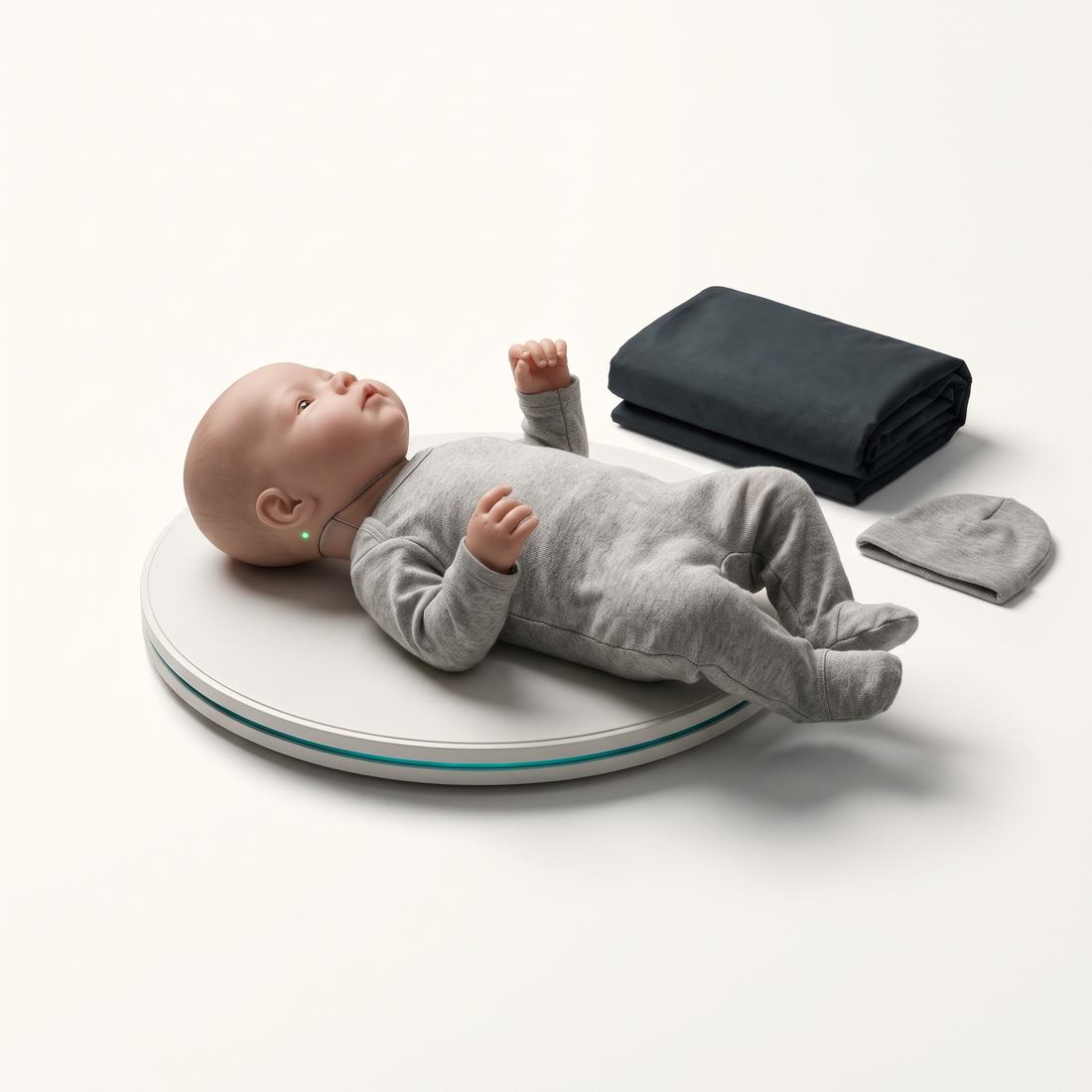
Our data shows donors are more generous when an infant is present. Unfortunately, infants are unscalable, inconsistent and have rights. BabyBot™ solves all three. No Client has asked for a robotic infant. We identified the opportunity independently.
Facial recognition identifies high-value donors within 25 ft. Cry intensity scales with predicted donor income.
Disclosure
“Robotic demonstration prop” label included; placement under creative review
Availability
Rental only, $14/day to Clients
Ethics review
Scheduled
“Engagement uplift of 340% at morning rush hour. Also triggered three calls to child protective services. Investigating whether this counts as engagement.”Field test
“I asked whether the BabyBot budget could fund direct support. The question has been moved to a separate workstream.”Ethics review
“Client feedback: ‘Please don’t make me hold this.’ Logged as a feature request.”Product backlog
Also in the lab
Spot Auctions
Premium doorways, allocated by weekly bid.
Curb Appeal Park
Formalized parking-lot guidance. The hi-vis vest is rented to the Client.
SignGPT
AI-written cardboard signs, A/B tested against foot traffic.
Give Now, Pay Later
Four interest-free installments for donors.
Empathy Futures™
Recognition now, for giving you may do next quarter.
Project Roof
Giving Clients somewhere to live. Our models suggest it would disrupt our core business, so it remains in the ideation phase. Permanently.